
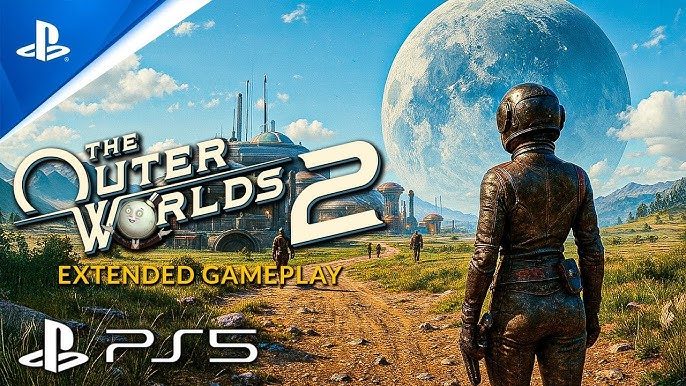
The Outer Worlds Shop Shows Why Sci‑Fi TV Needs More Edge
Science‑fiction television has become sleek, polished, and often safe, delivering visual fireworks without the grit that once defined the genre. Yet fans crave stories that bite, that challenge expectations, and that feel truly lived‑in. The Outer Worlds Shop, a recent expansion of the beloved video‑game universe, demonstrates precisely why modern sci‑fi TV needs to reclaim its edge. By blending absurd humor, stark moral choices, and a world that feels bruised, the shop offers a masterclass in how daring content can reignite audience passion. Let’s explore how this digital marketplace can inspire television creators to push boundaries.
The Rise of Ambient Sci‑Fi
In the past decade, sci‑fi shows have gravitated toward glossy aesthetics and formulaic narratives. Think of sleek starships, utopian societies, and problems solved with a single scientific breakthrough. While visually stunning, this trend often strips away the tension that makes speculative storytelling compelling. Viewers are left with surface‑level intrigue rather than deep, visceral conflict.
Audiences now crave complexity—characters who are morally ambiguous, worlds that feel weathered, and stakes that feel personal. The Outer Worlds Shop illustrates this shift by presenting a marketplace rife with shady vendors, hidden agendas, and consequences that echo throughout the game. It doesn’t shy away from the messy reality of commerce in a fractured galaxy, reminding us that even in futuristic settings, the human (and alien) condition remains fraught with compromise.
The Outer Worlds Shop: A Blueprint for Edgier Sci‑Fi
When the shop was introduced, developers purposefully infused it with layers of narrative depth. Every stall offers more than a product; it offers a story. A seemingly innocuous gadget may be tied to a rebel faction, a corporate espionage plot, or a personal tragedy. Players must weigh the cost of their purchases, not just in credits but in moral fallout.
This approach creates a visceral sense of responsibility. The shop’s design—cluttered, neon‑lit, and littered with remnants of past conflicts—mirrors the chaotic reality of a universe where hope and exploitation coexist. By embedding ethical dilemmas into everyday transactions, the game forces players to confront the gritty underside of progress, a technique TV series can emulate to add authenticity and tension.
Why Edge Matters in Modern Storytelling
Edge is more than a stylistic choice; it’s the engine that drives audience engagement. When characters face uncomfortable truths, viewers become emotionally invested. The Outer Worlds Shop proves that even small interactions—like buying a weapon from a dubious dealer—can have narrative weight when the world feels lived‑in.
Television writers can borrow this principle by integrating world‑building details into plotlines. A recurring vendor in a spaceport could reveal hidden conspiracies, or a routine supply run could trigger a major conflict. By treating every scene as an opportunity for depth, shows can move beyond episodic spectacle toward serialized storytelling that rewards attentive viewers.
Lessons for TV Producers
First, embrace imperfect worlds. A polished backdrop can feel sterile; a grittier setting invites curiosity. Second, embed moral complexity into peripheral elements—props, side characters, and background commerce can all serve the narrative. Finally, let consequences ripple outward. When a character’s choice in a shop affects later events, it builds a cohesive, immersive experience.
If television series adopt the kind of thoughtful design seen in The Outer Worlds Shop, they will not only captivate fans of the game but also attract a broader audience seeking smarter, more daring sci‑fi. The result? Programs that are visually spectacular, narratively rich, and unapologetically edgy—exactly what the genre needs today.
In a landscape saturated with glossy space operas, the raw, unfiltered energy of The Outer Worlds Shop shines as a beacon for creators. By daring to expose the messiness of futuristic life, it reminds us that the best sci‑fi isn’t just about advanced tech—it’s about the human (and alien) stories that thrive amidst chaos. Television that embraces this edge will not only stand out—it will redefine what sci‑fi can achieve.